In engineering manufacturing, machining, automotive parts, and structural component procurement, 1.4057 (AISI 431) and 1.4301 (AISI 304) are two stainless steel grades frequently compared by users. While both are commonly used stainless steels, their differences in corrosion resistance, strength, magnetism, cost, and processing performance are significant.
If you are selecting materials for high-strength mechanical components, food processing equipment, building structures, or chemical applications, this guide will help you make the right decision quickly.
What is 1.4057 Stainless Steel?
1.4057 is a high-chromium martensitic stainless steel (16–17% Cr) with excellent strength and wear resistance. Its hardness can be significantly increased through heat treatment (up to HRC 40–48). It is widely used in: mechanical shafts, pump shafts, valve components, wind power equipment parts, high-strength fasteners, and is suitable for applications requiring structural strength.
What is 1.4301 Stainless Steel?
1.4301 stainless steel is an austenitic chromium-nickel stainless steel, also known as 304 stainless steel. It is renowned for its excellent corrosion resistance, good mechanical properties, and weldability, and is one of the most widely used grades in the world. Its main components are approximately 18% chromium and 8% nickel.
| Element (%) | 1.4057 (AISI 431) | 1.4301 (AISI 304) |
|---|---|---|
| C | 0.12–0.17 | ≤0.07 |
| Cr | 15.5–17.5 | 17.5–19.5 |
| Ni | 1.0–2.5 | 8.0–10.5 |
| Mn | ≤1.0 | ≤2.0 |
| Mo | - | - |
| Type | Martensitic SS | Austenitic SS |
1.4057 vs 1.4301 stainless steel: Mechanical Properties
| Property | 1.4057 (431) QT Condition | 1.4301 (304) Annealed |
|---|---|---|
| Tensile Strength | 800–1000 MPa | 520–750 MPa |
| Yield Strength | 650–750 MPa | 210–300 MPa |
| Hardness | 250–300 HB | ≤ 180 HB |
| Property | 1.4057 (AISI 431) | 1.4301 (AISI 304) |
|---|---|---|
| Density (g/cm³) | 7.75 | 8.0 |
| Thermal Conductivity (W/m·K) | 25 | 16 |
| Maximum Service Temperature | 550°C | 870°C |
| Thermal Expansion Coefficient | Lower | Higher |
Is 1.4057 stainless steel magnetic?
The material AISI 431 (1.4057, BS 431S29, X17CrNi16-2) is magnetic (ferromagnetic) and has a tensile strength of 800-950 N/mm² (in heat treatment condition +QT800) with a density of 7.0 kg/dm³ (at room temperature).
Which is stronger, 1.4057 or 1.4301?
1.4057 is stronger than 1.4301. The 1.4057 (AISI 431) is a martensitic stainless steel known for its high tensile and torsional strength, while 1.4301 (AISI 304) is an austenitic steel with a lower tensile strength. The 1.4057 can be heat-treated to achieve high hardness and strength, making it suitable for applications like shafts and bolts.
1.4057 is generally more expensive than 304 because it is a high-strength martensitic stainless steel with higher processing and heat-treating costs.
| Material | Market Price (USD/kg) | Key Price Influencing Factors |
|---|---|---|
| 1.4057 Stainless Steel (AISI 431) | $2.80 – $4.20/kg | Heat-treatment requirements, dimensions, machining conditions |
| 1.4301 Stainless Steel (AISI 304) | $2.00 – $2.70/kg | Nickel price, surface finish, coil vs. sheet |
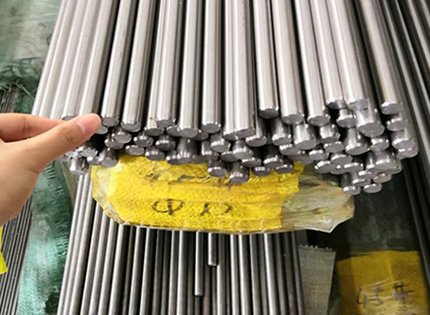
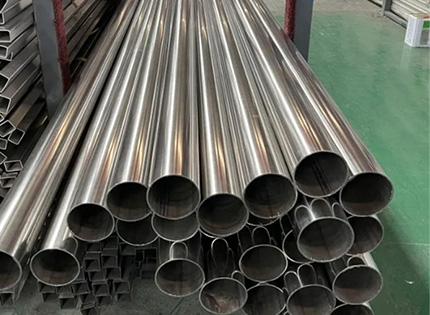
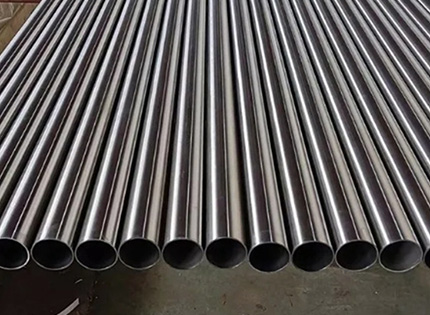
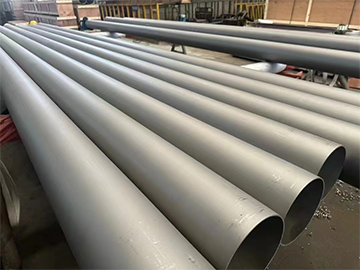
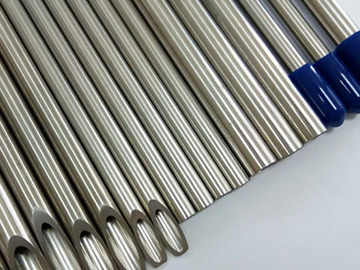
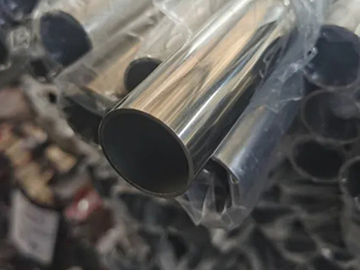
If you are looking for 1.4057 or 1.4301 stainless steel plates, coils, round bars, rods, pipes, forgings, or machined parts, GNEE can provide:
Available product standards: EN 10088, ASTM A276 / A479 (bars), ASTM A240 (plates), ASTM A312 (pipes)
Available certificates: MTC EN 10204 3.1 / 3.2, SGS / BV test reports, Certificate of Origin (CO), Heat treatment report
Packaging: Moisture-proof paper + PE film, steel strapping, wooden pallets/crates (export only), custom labels and barcodes